


How to invest in watches in 2026?

Updated on 31 July 2026
To invest in watches, target the rare, high-demand models from Rolex, Patek Philippe and Audemars Piguet, buy them as a full set on the secondhand market, then resell them after several years. This guide covers the models, the buying platforms and the tax rules that apply in France.

- The secondhand market recovered in 2026: the overall WatchCharts index is up 8.2% over one year, led by Patek Philippe.
- Only a minority of references appreciate: the vast majority of new watches lose value immediately on resale.
- A full set, with its original box and papers, is worth far more than the watch alone: that is the decisive criterion.
- Above €5,000 per sale, the gain is taxed at 6.5% under the flat-rate regime or 37.6% under the standard regime.
- A watch stays illiquid and volatile: it complements a diversified portfolio, with no yield and no guarantee that its value will rise.
What to know before investing in watches
Investing in watches means buying rare, sought-after models (mainly Rolex, Patek Philippe and Audemars Piguet) whose prices rise on the secondhand market. It is a passion investment, potentially profitable but risky and illiquid, suited to diversifying a limited share of your wealth.
Switzerland, the cradle of watchmaking for 200 years, dominates this market with family-owned houses such as Patek Philippe. Shaken by the rise of quartz (and low-cost watches) in the 1970s, they bounced back and now offer increasingly expensive and scarce models. This market is especially popular with the wealthy clients of wealth management firms.
Watch investing is a huge market split into two parts: the primary market (new) and the secondary market (secondhand).
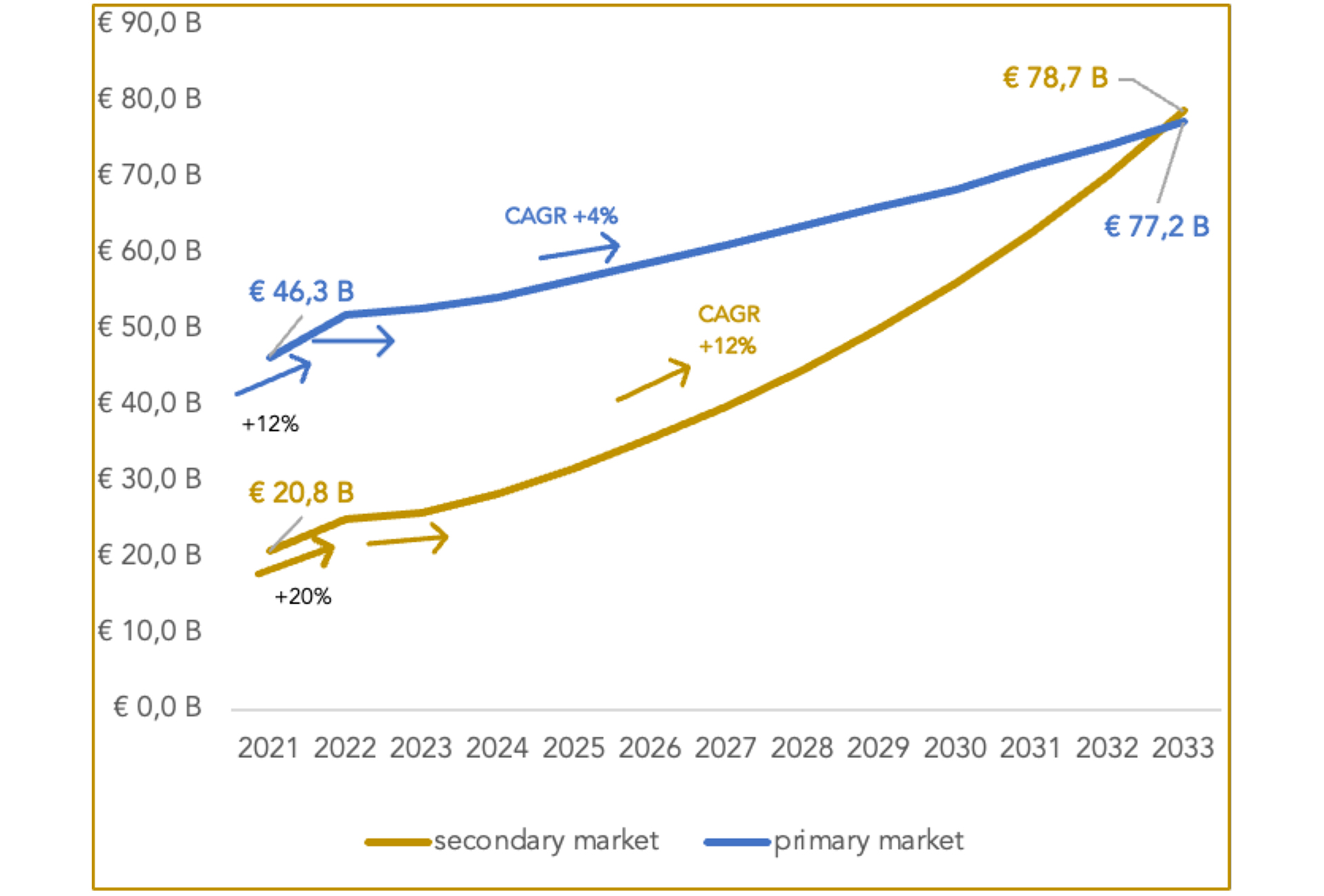
The secondary market covers everything that is not new, whether the watch is one day or 100 years old. This secondhand market is now worth about a third of the new-watch market and is, according to the Deloitte Swiss Watch Industry Study 2025, one of the sector's main growth drivers.
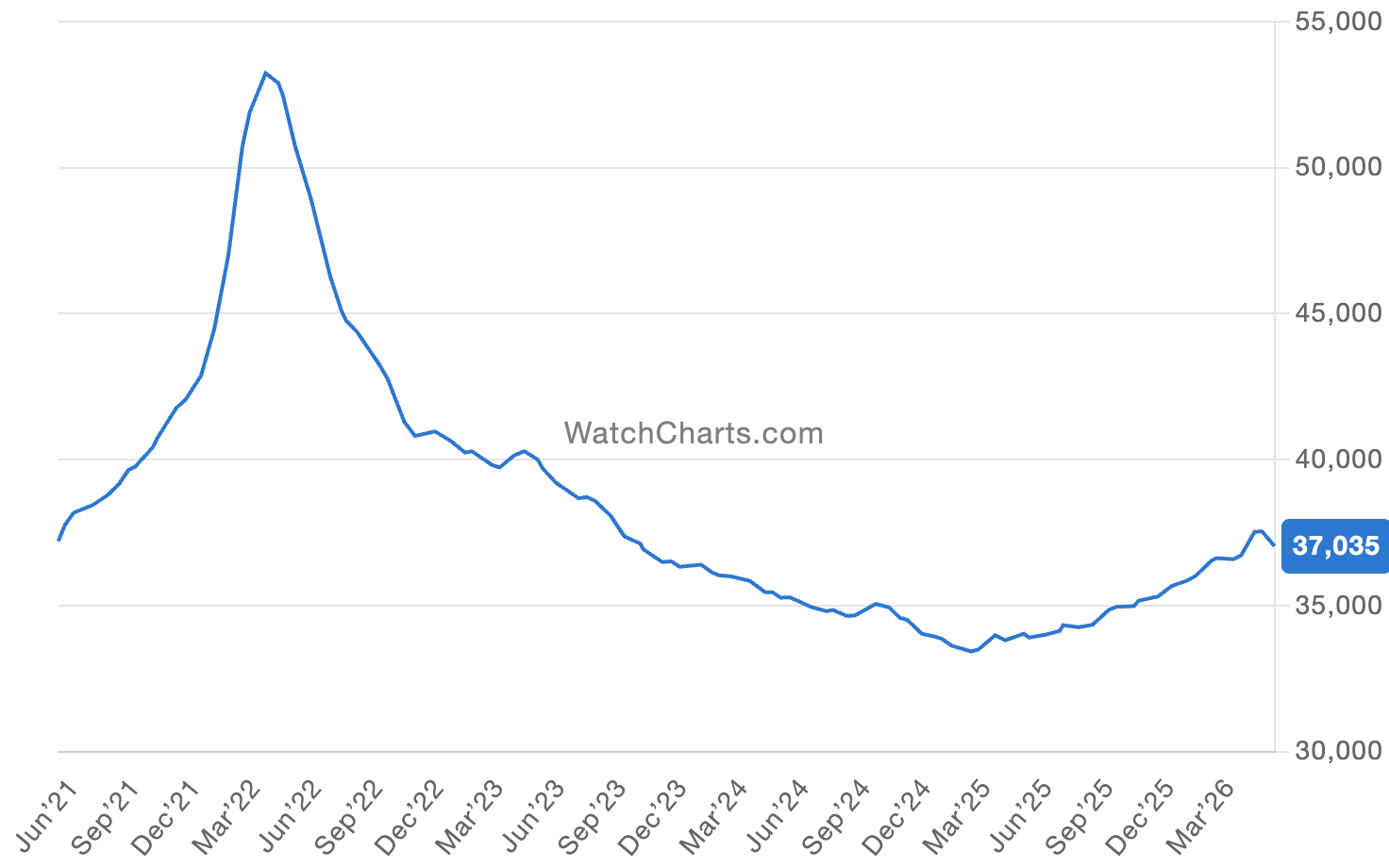
After a historic surge in 2021, the secondhand market corrected sharply in 2022: the most speculative models fell about 39% from their peak. The index kept sliding to a low at the end of 2024 before recovering: according to WatchCharts, the second quarter of 2026 was the fourth consecutive quarter of growth for the secondary market. This normalisation brought prices back to earth, but the window for the "bargains" of the 2023-2024 trough has now closed.
Should you buy a new watch in a boutique?
No, unless you are already a long-standing client of the brand: the references that gain value cannot be found in boutiques. The primary market (around $62.4 billion expected in 2026, according to Fortune Business Insights) is the sale of new watches by manufacturers or retailers (such as Bucherer, bought by Rolex in 2023, or Tiffany & Co). Tiffany itself was bought by LVMH in 2021. Since this is about investing, let us focus on the most in-demand brands: Rolex, Audemars Piguet and Patek Philippe. If you only remember three model names, make them these: Rolex Daytona, Patek Philippe Nautilus or Aquanaut, Audemars Piguet Royal Oak. Slightly less prestigious models can also be worth considering.
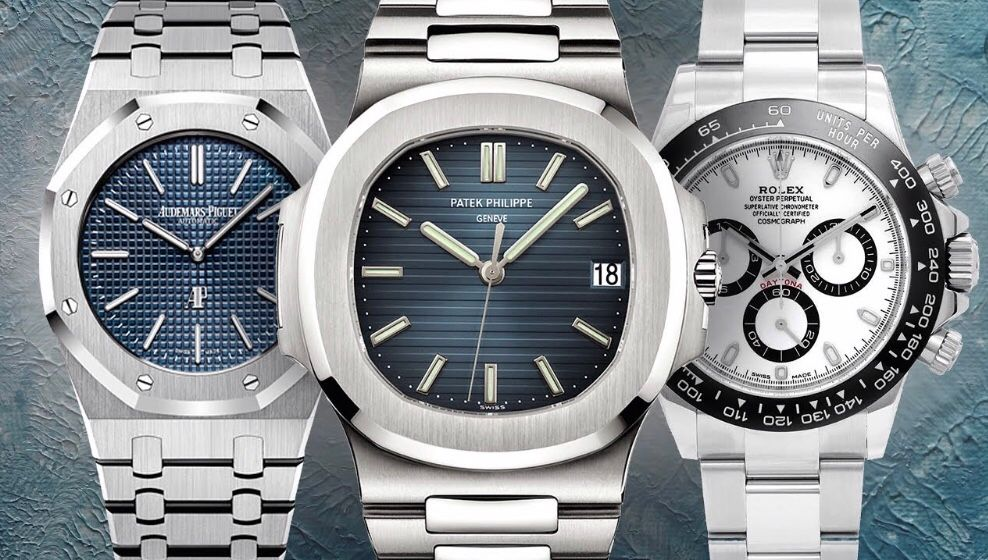
What makes the primary market unusual is that the most in-demand models from these three watchmakers are almost impossible to find. Walk into the Patek Philippe boutique on place Vendôme in Paris and ask for a Nautilus, and you will be told that the waiting list is closed. Ask Audemars Piguet for a Royal Oak "Jumbo" Extra-Thin (reference 16202, which replaced the legendary 15202 in 2022) and you will be told the waiting list runs into years. At retail the 16202 is listed at around $40,100; on the secondary market it changes hands at between $88,000 and $102,000.
Why? Patek Philippe and Audemars Piguet make very few watches, and (almost) everything is made by hand. Since it was founded, Patek Philippe has produced fewer than 1 million watches, roughly what Rolex makes in a single year. The calibres at the heart of each watch are in-house movements that took years of R&D, the materials are precious (gold, silver, platinum) and the complications can be extreme (tourbillons, for example).
Buying a luxury watch means joining a club. Brands favour buyers with a track record. This manufacturer-engineered scarcity is what long supported prices for the flagship Rolex, Audemars Piguet and Patek Philippe models. One caveat: after the 2022 peak those prices corrected sharply before stabilising. Even a rare watch remains a volatile, illiquid investment with no guaranteed return: it does not replace a diversified financial portfolio, though it can complement one at the margin.
The more you spend, the easier it becomes to access rare pieces on the primary market. The best-served clients at Audemars Piguet or Patek Philippe are those who buy regularly, over several years, several pieces a year.
| Market | What you find | Access | Price |
|---|---|---|---|
| Primary (new, in a boutique) | Standard references; sought-after models are reserved for long-standing clients | Waiting list of several years, sometimes closed | Brand retail price |
| Secondary (secondhand) | Every reference, including those no longer in production | Immediate, via Chrono24, a retailer or an auction | From a discount to several times retail price depending on the reference |

Why the secondhand market holds the value
Vintage covers everything that is not new, whether the watch is one day or 100 years old. This is where it gets wild. With the primary-market tap shut for ordinary buyers, prices soar on the secondary market.
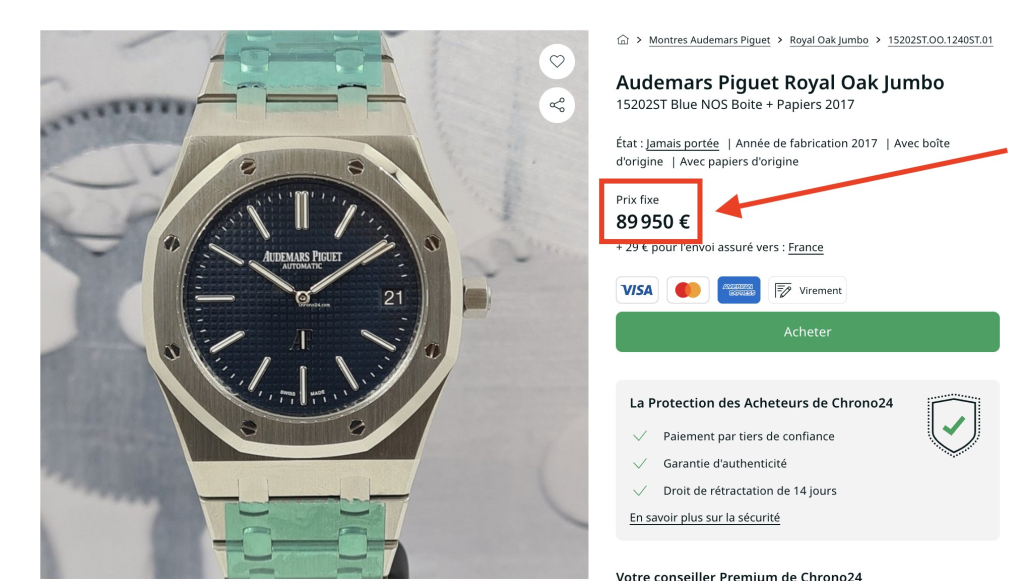
For example, an AP 15202 bought at a €35,400 retail price trades at around 2.5 times that on the secondary market (about €90,000). The model has not been produced since 2022, so supply is limited to the secondhand market, which has historically supported its price. Nothing guarantees that level will hold.
A Patek Philippe Nautilus 5711, discontinued at the end of 2021 in favour of the 5811, now trades at between €90,000 and €160,000 depending on the version and the condition, roughly three to four times its last retail price. These iconic models are sometimes described as safe havens. One caveat: unlike a genuine emergency fund, a watch is illiquid and its price can swing sharply, as the 2022 correction showed.
Brands also hunt down clients who "flip" (resell) new watches: get caught and you are "blacklisted" by the watchmaker and lose access to the primary market. Every watch carries a unique, traceable serial number, so brands track resellers down easily. Secondhand watch prices have risen sharply over the past decade, despite the 2022-2024 pullback.
Take a 1970s Patek Philippe 3700: it now fetches more than €150,000 against "barely" €9,300 at retail back then, a gain of around +1,500% over almost 50 years. Spectacular, but it remains the exception and is not within just anyone's reach.
Which watch should you invest in?
As with every collectible, it is the brand, the scarcity of the model and the condition that set a watch's price. When a watch comes with its papers (which carry the serial number) and its original box, it is called a “full set”. That is the holy grail, and what collectors look for. If you are wondering which watch to invest in in 2026, here is our selection of the best models, sorted by budget.
The price ranges below reflect levels seen on the secondary market at the end of July 2026, mainly on Chrono24. They vary widely with the condition, the exact reference and whether the original box and papers are included.

Which watches to target under €10,000?
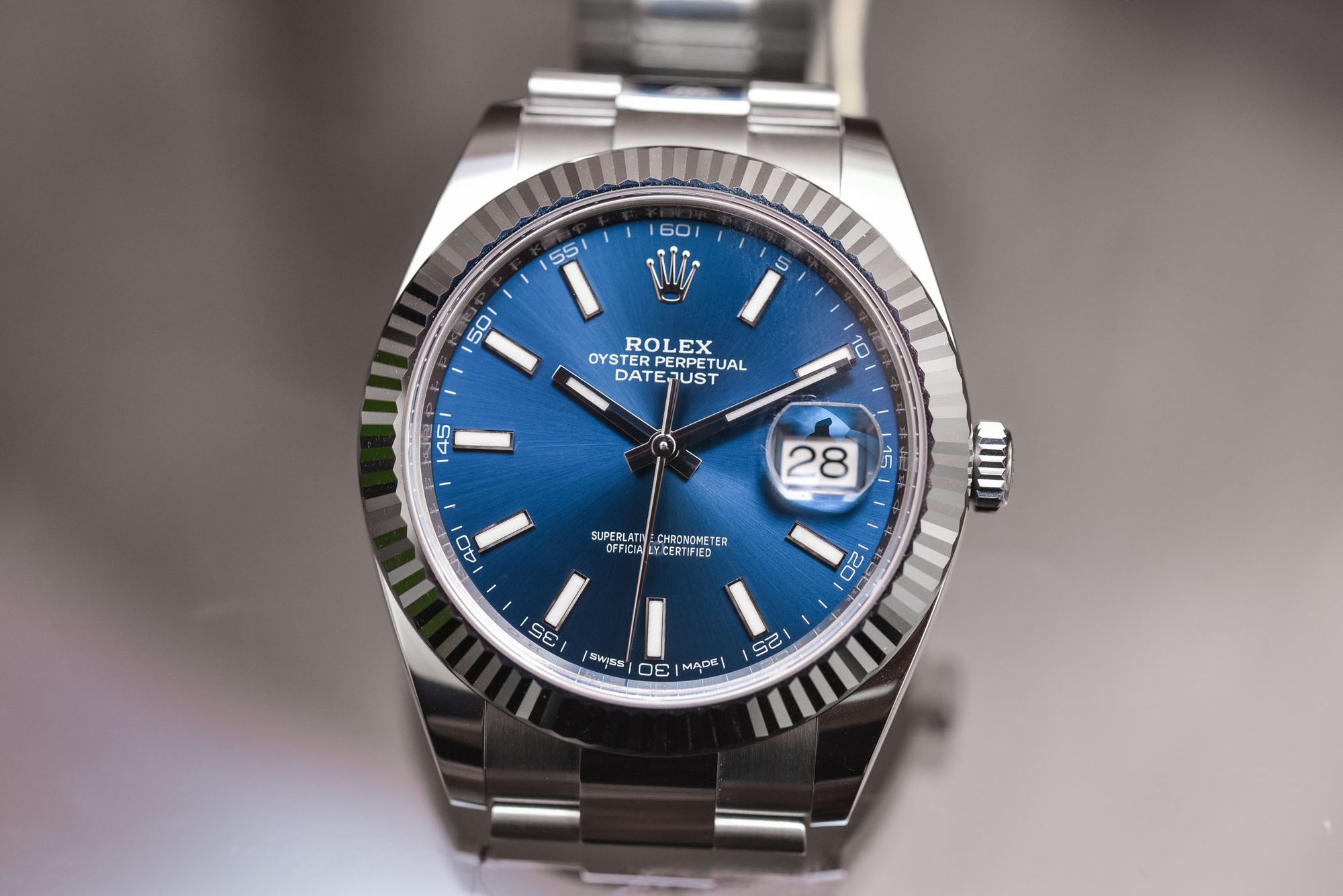
Rolex Datejust: The Rolex Datejust Oyster is Rolex's entry-level model. Created in the mid-1940s, it has grown steadily more popular. Its price has risen over the long run, with a marked peak in 2022, though it has been relatively stable in recent years (around +17% since 2018). Produced in large volumes, it accounts for a significant share of the Rolex watches traded at auction. A Datejust is an affordable way into watch investing: vintage examples in good condition start at €4,000 to €5,000, while more recent references trade at around €8,000 to €9,000.

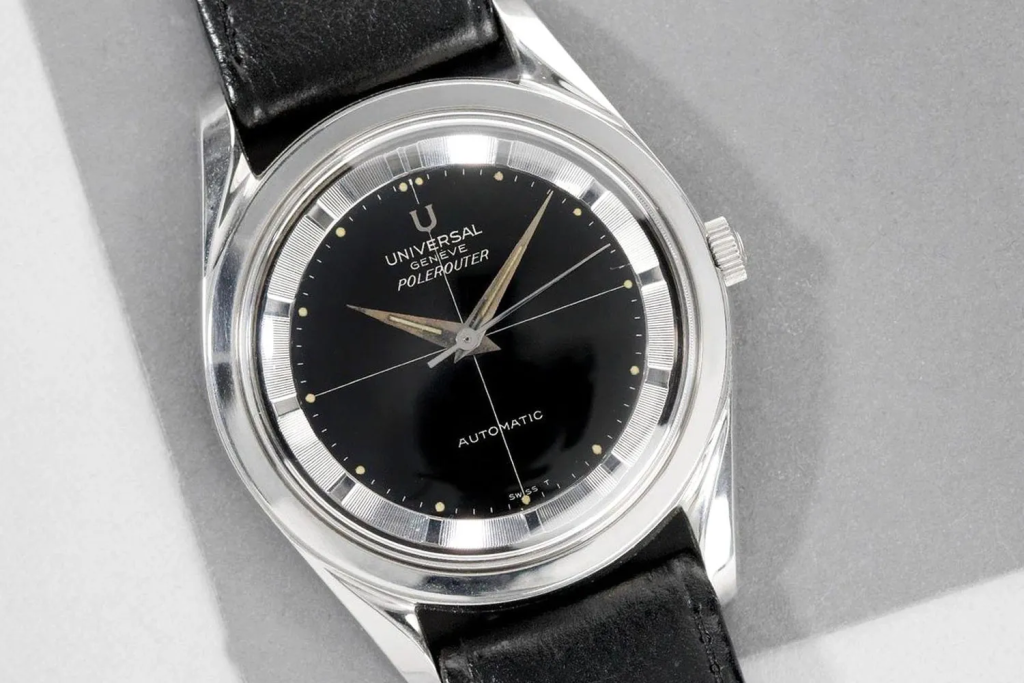
Universal Polerouter: the Geneva-based brand Universal Genève is little known to the general public. Yet it holds a major place in watchmaking history and remains a favourite among luxury watch enthusiasts. Designed in 1954 by the legendary Gerald Genta (the "father" of the Royal Oak and the Nautilus), the Polerouter was created to celebrate the first transpolar flights by the airline SAS (Scandinavian Airlines System), linking North America and Europe over the Arctic. Available at between €1,500 and €4,000 depending on the condition, it is a fine example of a watch to buy as an investment without a large budget.
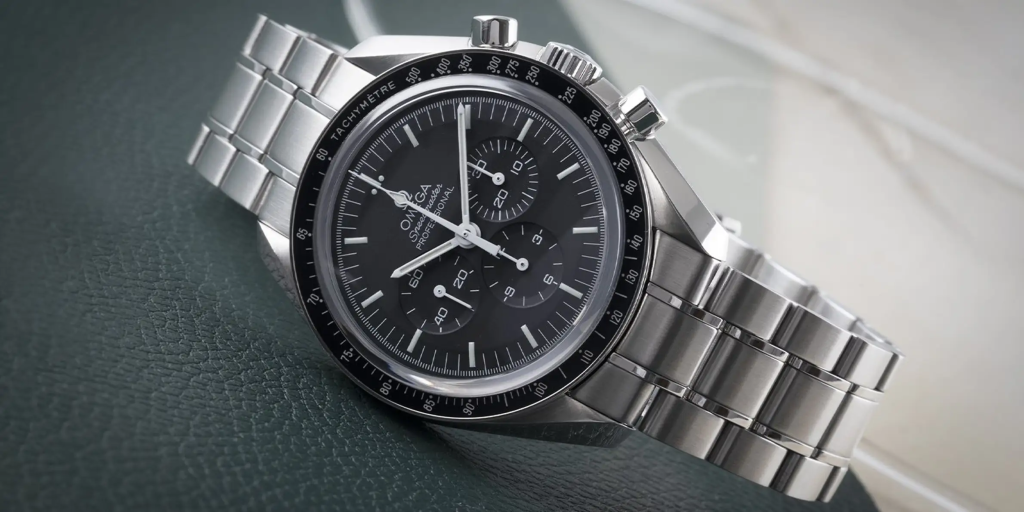
Omega Speedmaster: launched in 1957, the Speedmaster became an icon after being certified by NASA. Astronaut Buzz Aldrin wore one during the first steps on the Moon in 1969. The exact example Aldrin wore went missing on its way to the Smithsonian, the National Air and Space Museum in Washington. The Moonwatch remains a sought-after investment watch, even though its price has settled in recent years: it now trades at around €6,000 to €7,000.

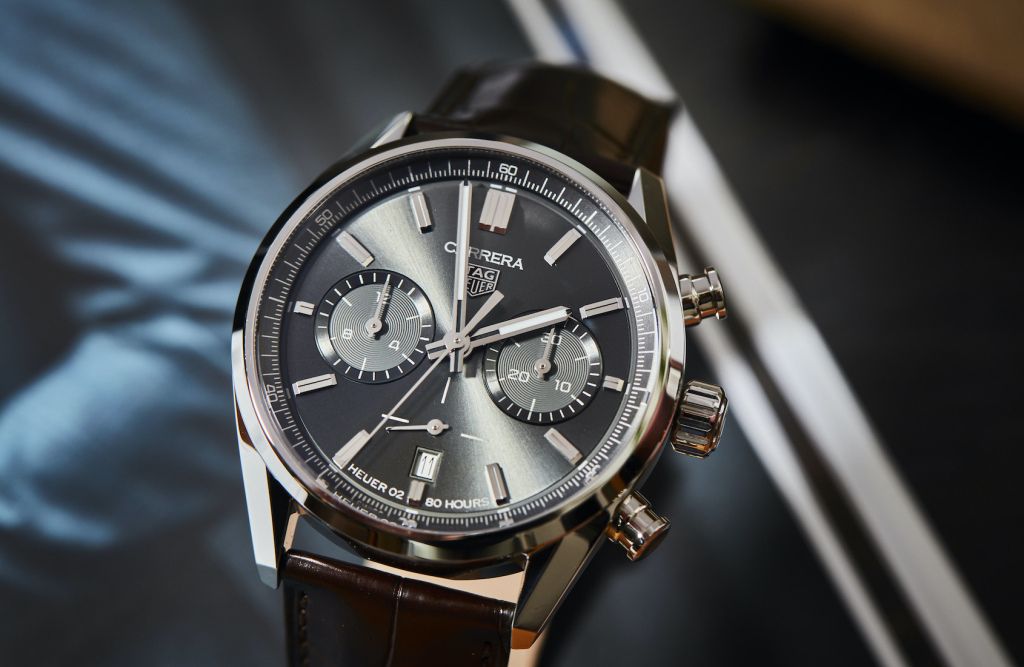
Tag Heuer Carrera: The name says it all: this watch was built for motor racing and speed. Launched in the 1960s, it appeals through the precision of its chronograph and its elegance. Be careful to separate two markets, though: vintage Heuer Carrera watches (1960s-70s, before the TAG takeover) can gain value and trade at between €6,000 and €8,000, far more for rare references; recent TAG Heuer models (around €2,000), by contrast, usually lose value on resale. For an investment, look to the vintage.
Which watches to target at around €20,000?

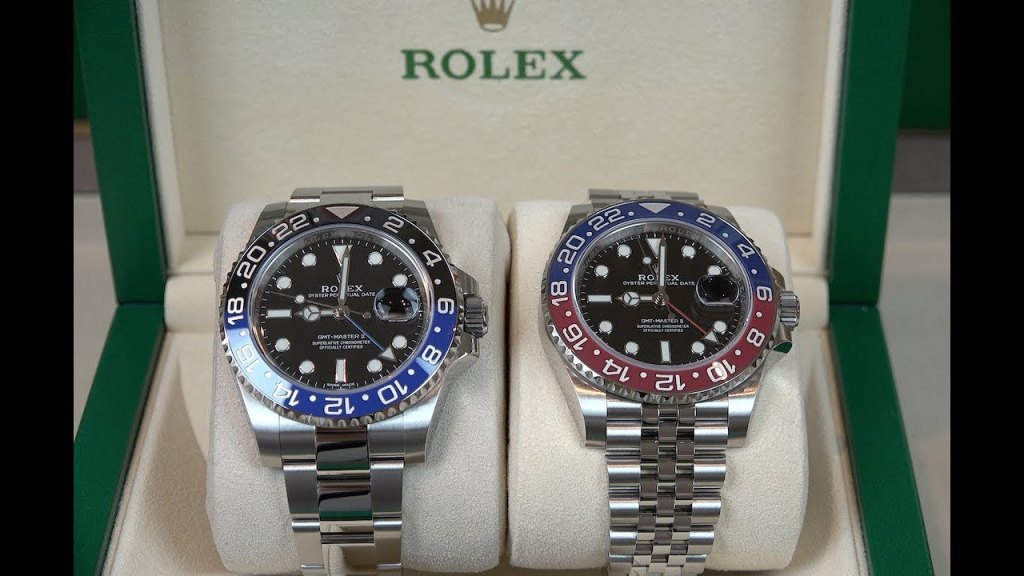
Rolex GMT Master 2 "Batman": A descendant of the legendary GMT-Master, the GMT II was relaunched in 2005. Its 40 mm case makes it larger than its predecessor. It comes in two versions, black and blue ("Batman") and blue and red ("Pepsi"), nicknames given by collectors rather than official names. Sold at around €10,700 at retail, it traded at between €16,000 and €20,000 on the secondary market at the end of July 2026, well below its 2022 peak. The model is still in high demand, but its price fell 0.6% in the month of June 2026 alone.

Which watches to target above €20,000?
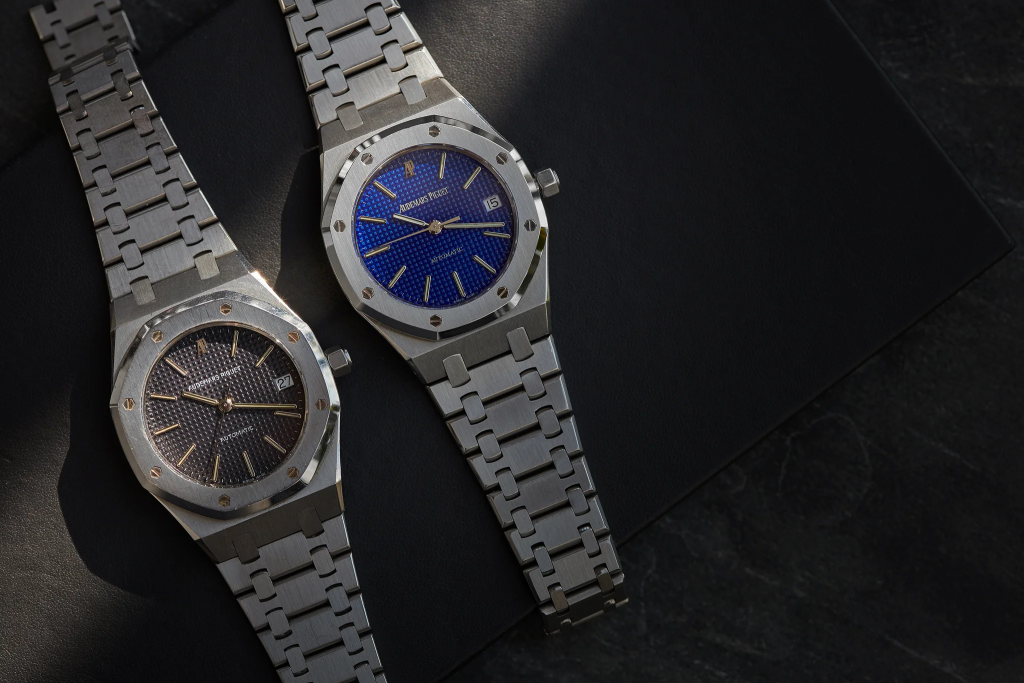
Royal Oak 14790: This 1990s Audemars Piguet Royal Oak carries the collection's signature octagonal bezel. Prized for its compact 36 mm case, notably by Italian collectors, it really found its audience from 2019. The most sought-after version has the blue tapisserie dial. Its price now sits at around €35,000, against about €12,500 in 2019, a clear rise over the period. For a well-kept 14790 you will find plenty of listings on Chrono24.

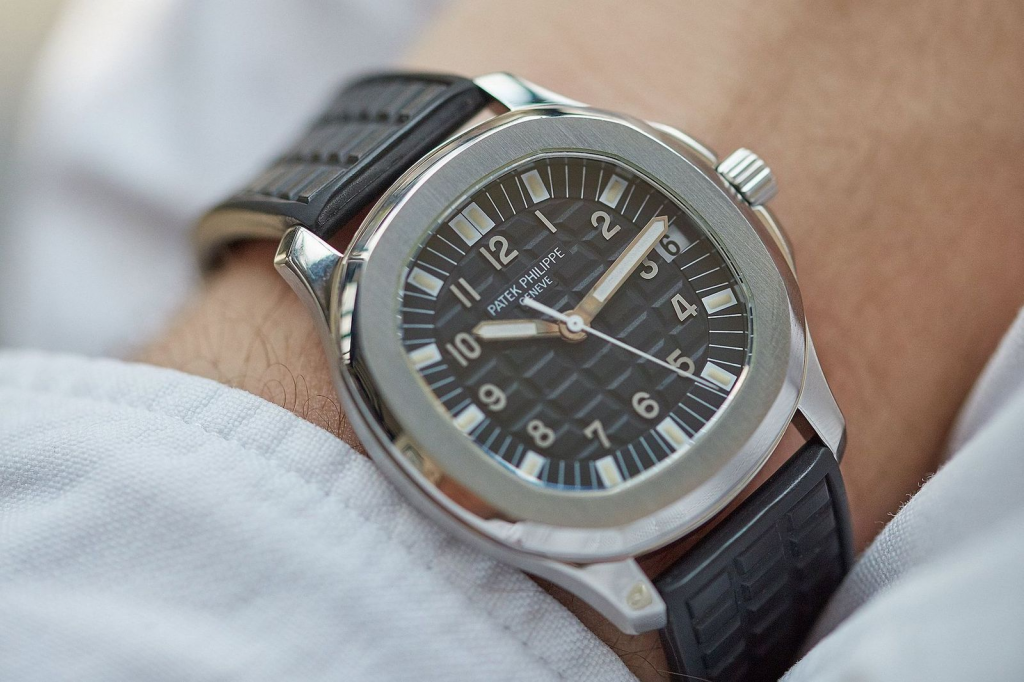
Aquanaut 5060: Patek Philippe's Aquanaut 5060 has a fascinating history. Launched in 1997, it was reportedly commissioned for the officers of a Gulf state, which would explain its grenade-pattern dial. Its composite strap makes it a sporty, easy-to-wear watch. With around 1,000 examples produced, it is much sought after. Its price now sits at about €38,000, up roughly 35% since 2021: a piece often found in a diversification pocket, for instance when investing €500,000, bearing in mind that it stays illiquid and pays no income.

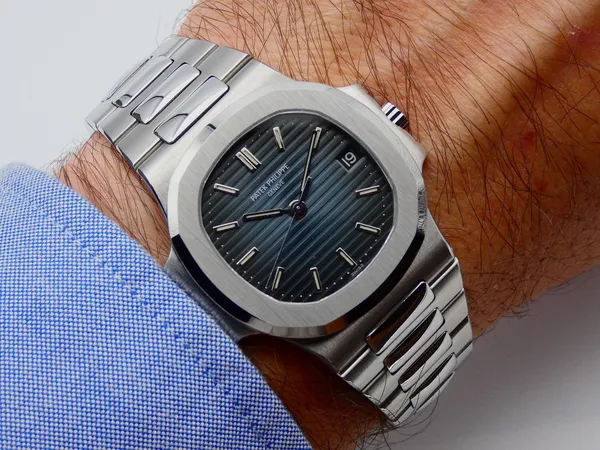
Nautilus 3800: Designed by Gerald Genta, the Patek Philippe Nautilus 3800 follows its big sister, the legendary 3700. They share the same codes: porthole-shaped bezel, integrated lugs, steel bracelet. The two big differences are the diameter (37.5 mm for the 3800) and the in-house 335 SC calibre (against a Jaeger-LeCoultre calibre for the 3700). Price differs too: while a 3700/1 in perfect condition fetches more than €150,000, the 3800 trades at around €50,000 (and more in as-new condition). It is a recognised investment watch, provided you have a large budget.

Rolex Daytona: This icon, launched in 1963, was popularised by the actor Paul Newman, who wore one in his films. He is so closely associated with it that collectors named the rarest dial after him. The Daytona that belonged to Paul Newman sold at auction for more than $17.8 million in 2017. In heavy demand, the Daytona saw prices soar spectacularly until 2022, followed by a sharp correction. The white-dial ceramic model (reference 116500LN, replaced by the 126500LN in 2023) now trades at around €30,000, a more reasonable entry point than three years ago.


Investing in watches online?
Before investing in watches, you have to find the right piece. Most of the market trades through retailers or websites. Unlike the primary market, the secondary market lets you invest in watchmaking, provided you are willing to pay the price.
There is no watch exchange as such, but you have many options and the choice is anything but easy. Here is a review of the main ways to get hold of a watch that gains value. Some private banks can help their clients secure these rare models, but the entry ticket is very high.
- Chrono24: The reference site for tracking watch prices and unearthing gems. Regarded as the price guide for vintage watches, it is used by many professional dealers. Its strength is security: when you pay through Chrono24, buyer protection applies automatically.

- Chronext: placed in insolvency in August 2024, the platform was taken over at the end of 2024 by The Platform Group, which turned it into a marketplace backed by specialist retailers. The watches on offer are still authenticated, but the model and the catalogue have changed since the takeover: check who the actual seller is before buying.
- Chronomania's CDA: the classified-ads section (the "coin des affaires") of this enthusiasts' forum lists many pre-collector watches, notably Cartier and Breguet. Listings have been relatively few, however, and despite watchful moderators the risk of fraud is very real.
- Leboncoin: luxury watches and Leboncoin are not an obvious pairing. Yet gems do sell there regularly. Because the risk of fraud is at its highest, you need to be very experienced to spot the fakes.
- Ricardo.ch: the Swiss cousin of Leboncoin is well known for its watch section. It benefits from watch investing being part of the culture in Switzerland. You will find many interesting watches there, but the risk of fraud remains high.
- Rolex Certified Pre-Owned: since December 2022, Rolex itself certifies secondhand watches at least three years old, resold by its authorised retailers with a two-year international warranty. It is the safest option for a used Rolex, and also the most expensive.
Talk to other watch investors in the Finary community and discover new investment opportunities.
Other ways to invest in watches?
If you are not comfortable buying a watch online, other routes may suit you better for finding watches that gain value.
- Aron'son: Going to a specialist such as Aron'son in Paris to invest in watchmaking makes sense. There is something reassuring about dealing with an established professional. The main drawback of a dealer like Aron'son is limited stock, which is a problem if you are after one very specific appreciating model. Aron'son also charges a commission on the sale, so prices are generally higher than online
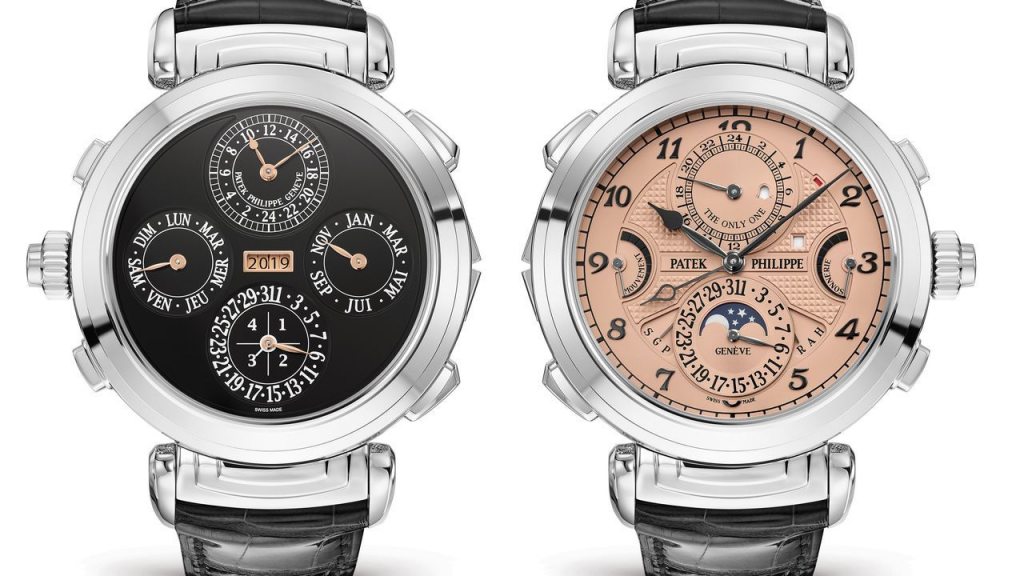
- Auctions: the big auction houses such as Christies, Phillips, Drouot and Antiquorum long held a monopoly on investment-grade watches. The internet changed that. Today, prices for "ordinary" models at auction are far too high, because 25% in fees is added to the “hammer” price. In practice, auctions are mainly for exceptional watches and very large collectors. In 2019 the Patek Philippe Grandmaster Chime set a world record, selling for CHF 31 million at the "Only Watch" sale held by Christies in Geneva, a one-off moment.
Investing in watches with your eyes open
There is a wide information gap between professional sellers and buyers, who are often beginners. So it is essential to research the watch, check every detail and go through a dealer with a track record before buying anything.
Copies abound, and it is easy to buy a watch with fake papers or a replaced dial, which will hit the resale value hard. To stay in collectibles without the constraints of watchmaking, the blog covers two alternatives: investing in art and investing in wine.
Investing in watches: what about tax?
VAT on purchase
Every collectible watch, bought new or secondhand, is subject to VAT at 20%. Buying a Rolex abroad can be attractive, since you can reclaim the VAT.
Careful: you have to declare the watch on arrival in France and pay the 20% French VAT. Once the foreign VAT is reclaimed and the French VAT paid, the foreign rate no longer affects the final price: the only benefit of buying outside France comes from a lower pre-tax price.
Tax on capital gains
Gains on watches are taxable. Watches sold for less than €5,000 are exempt, unless they are made of precious metal (gold, platinum), which is always taxed whatever the amount. For the rest, you can choose between two regimes:
- Flat-rate tax: 6.5% (including 0.5% of CRDS, France's social-debt levy) for watches treated as works of art or collectibles, and 11.5% (11% + 0.5% CRDS) for watches treated as precious metals.
- Standard tax regime: 19% income tax plus 18.6% social levies (2026 rates), or 37.6% in total.
It is up to you to work out which rate is more favourable. There are several ways to reduce the taxable gain, and therefore your tax bill:
- Include acquisition, restoration or refurbishment costs. Maintenance costs cannot be included.
- Under the standard regime, a 5% tax allowance applies for each year of ownership beyond the second. The gain is therefore fully exempt, income tax and social levies included, after 22 years of ownership. You must be able to prove the acquisition date and value (an invoice or an insurance certificate).
The recipe for a successful watch investment:
- A strong, desirable brand (Rolex, Audemars Piguet, Patek Philippe).
- A watch produced in few examples, or even unique.
- An interesting story, ideally with a star as a former owner (Paul Newman and his Daytona, sold for $17.8 million, for example)
- Buying a full set (the watch with its original papers and box)
Goals
Frequently asked questions
How do you invest in watches?
There are many ways to invest in watches: buying from a watchmaker or a dealer, online through sites such as Chrono24 or Chronext, or at auction. What matters most is finding a trustworthy seller and making sure the watch matches its description.
Which watch should you invest in in 2026?
After the 2022 to 2024 correction, the secondary market started rising again in 2026. The most sought-after references remain the Rolex Submariner, the coloured-dial Oyster Perpetual, the Audemars Piguet Royal Oak and, at Patek Philippe, the Aquanaut and the Nautilus 5811 that replaced the 5711 at the end of 2021.
Which watches gain value?
The flagship models of the major watch houses have historically held up best over the long run: Submariner, Datejust, Day-Date and Oyster Perpetual at Rolex, Nautilus and Aquanaut at Patek Philippe, Royal Oak and Royal Oak Offshore at Audemars Piguet. None of these prices is guaranteed and all of them fell between 2022 and 2024.
Which Rolex should you invest in in 2026?
The entry-level models remain the most accessible: the Oyster Perpetual starts at around €5,000, the Datejust and the Submariner No Date sit at around €9,800 to €9,900 in the 2026 catalogue, with the Submariner Date above €10,000. These references have held up well over the long run, with nothing to guarantee that for the future. The Daytona is for larger budgets.
Sources
WatchCharts, July 2026 Watch Market Update: secondary market index and performance by brand
Federation of the Swiss Watch Industry, Swiss watch exports in 2025
Deloitte, Swiss Watch Industry Study 2025: weight of the secondhand market
Fortune Business Insights, Luxury Watch Market: size of the primary luxury watch market
BOFiP, BOI-RPPM-PVBMC-20-10: flat-rate tax on precious objects
Rolex, Rolex Certified Pre-Owned programme
Rolex, acquisition of Bucherer
Chrono24, secondary market prices and listings
Regulatory disclaimers: Marketing communication. Investing carries a risk of partial or total capital loss. Past performance is not a reliable indicator of future performance. This article is provided for information and educational purposes only; it does not constitute personalised investment advice, a buy or sell recommendation, or tax advice. Before investing, read the Key Information Document (KID) and, where relevant, consult an authorised adviser. Finary SAS, an investment firm authorised by the ACPR (no. 19283), member of AMAFI. Insurance broker registered with ORIAS (no. 21001279), member of the CNCGP (association approved by the AMF). Crypto-Asset Service Provider (CASP) authorised by the AMF under the MiCA regime, references no. A2026-026 and no. N2026-008.